Sunday, December 18, 2022

Tel Aviv casual

Yesterday I stayed in Tel Aviv for a short break. In the early morning I had to go birding to maintain my checklist streak, what can I do. I headed over to Yarkon river mouth, that was packed with thousands of joggers, cyclists and dog walkers, all looking very sporty, making me feel a bit awkward with my outdoor outfit, bins and camera. Hey ho, that's birding isn't it? In any case, it was a short and pretty nice session. I was surprised to see two Eurasian Curlews heading north deep at sea, not common here. Then I found a young Masked Shrike, that traditionally should have been in Africa now. It is interesting that in recent years, perhaps linked with climate change, more and more Masked Shrikes are spending the winter in Israel.


A lone Red-throated Pipit was looking very dapper, walking on the wet grass. First in the shade:


Then in the sun:

Small flocks of Spanish Sparrows graced the pistachio bushes. I like Spanish Sparrows, especially the streaky-breasted females.


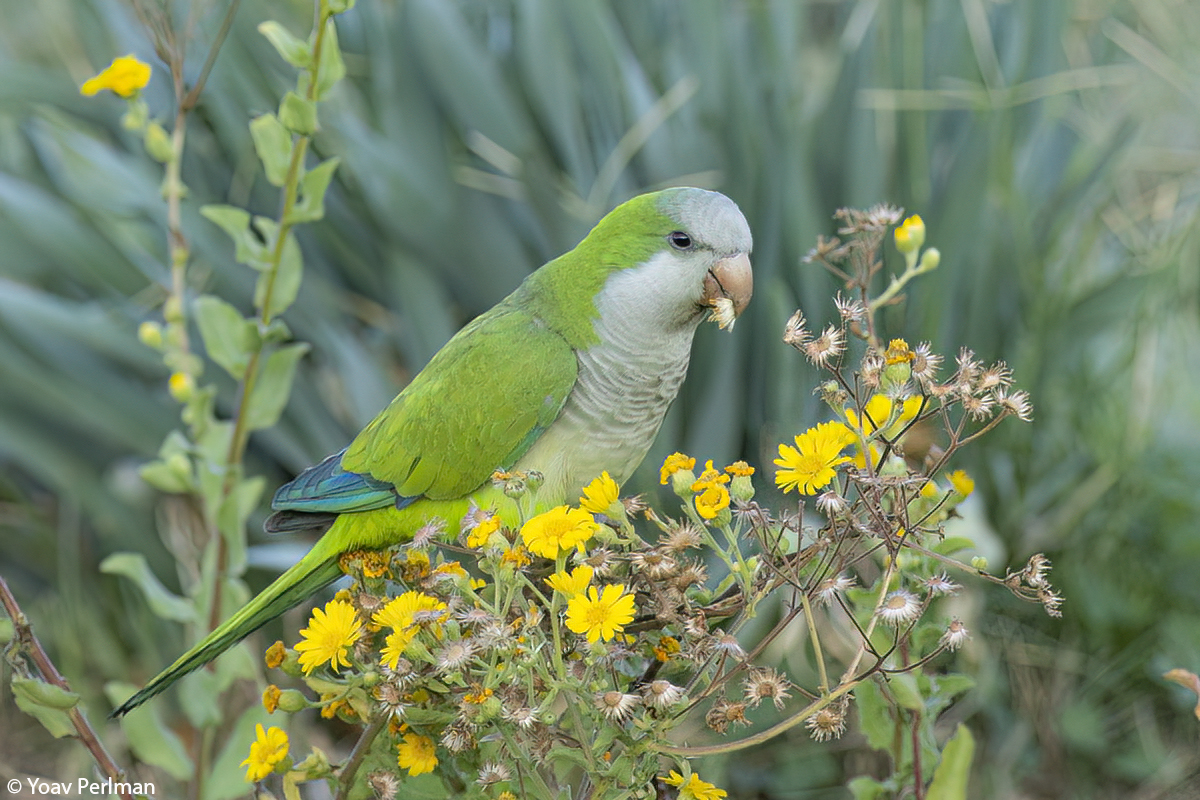
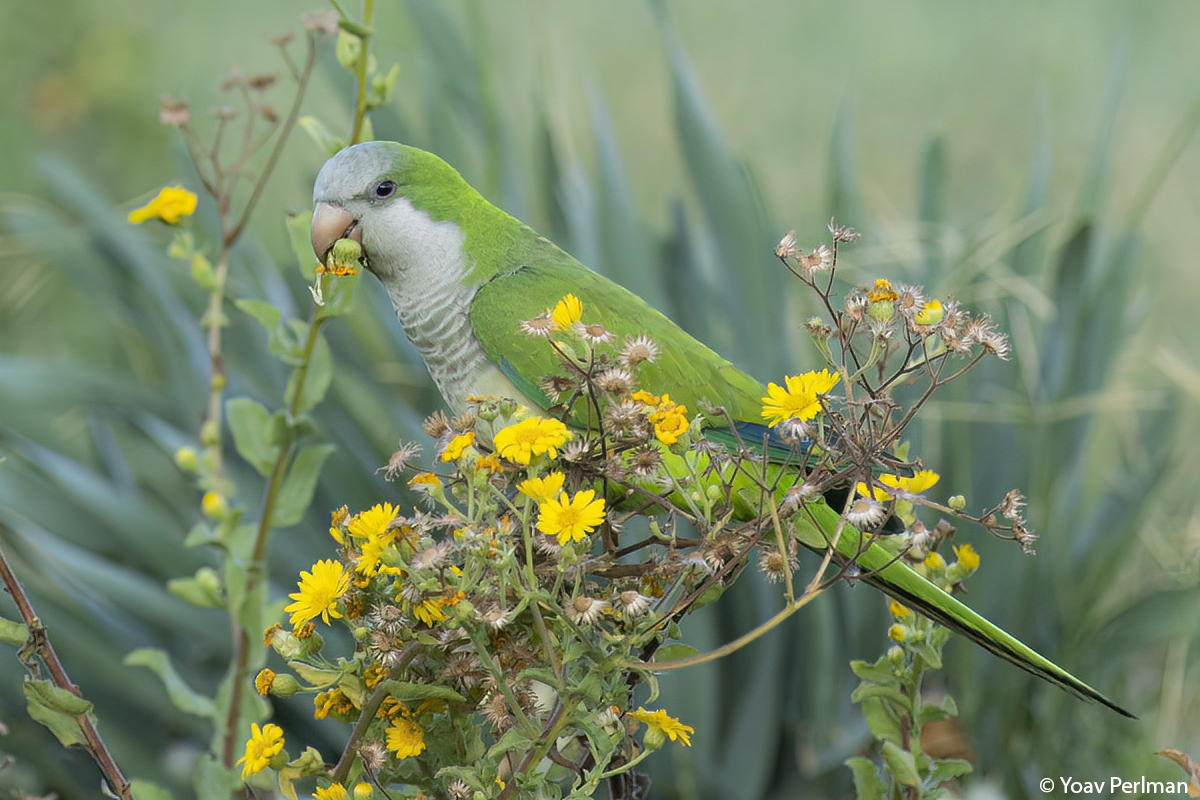
As everywhere in Tel Aviv, the avifauna is dominated by invasive species. As an ecologist and conservationist I don't 'like' invasive species, and would rather not have them here. However, when seeing a Monk Parakeet from up close, one must admit it is a darn good-looking bird. Here it is feeding on an invasive plant, Camphorweed:


eBird checklist here.

The sunset was quite wonderful.


Wednesday, December 7, 2022

Eilat International

I spent a couple of nights in Eilat, taking part in an international course organised by Noam Weiss, director of our Eilat Birding Center. The course, funded by the Ministry for Regional Cooperation, with the City of Eilat, was themed around the management of community-based bird observatories, with participants from 15 countries - Balkan, Caucasus, Mediterranean, Middle Eastern - what a wonderful mix of great people. Some were old friends, others new. Those were days of international work, international people and international birds.

Last week this happened:

The bird, second for Israel, was taken into care in the Hai Bar Yotvata Reserve, and was rehabilitated by Israel Nature and Parks Authority staff there. I was anxious all week - will it recover? When will it be released? Knowing that the course is approaching, I kept all my fingers crossed. Eventually, my timing was perfect - the decision was made by INPA to release it back to the wild on Monday, the first morning of our course, at the Eilat Birding Center. Noam asked me whether I want to ring the bird. At first I offered the ringing team to go for it, then I thought to myself, why not. What an amazing bird to ring. It felt very fit and ready for release.


I was privileged to release it too. Suddenly, I realised I won't have a photo of the bird. I asked Noam to grab my camera and use it when I release the bird.

New profile picture?


The bird disappeared immediately in thick vegetation, never to be seen again. It was released in a section of the park that is closed off to the public, so nobody could bother it as it readjusted to the wild.

That afternoon I squeezed in half an hour of seawatching, to join the incredible Swinhoe's Storm-Petrel party. Indeed, I saw from shore at least four individuals, whizzing around a fishing boat. Very cool.

Next morning, yesterday, we went early with the course participants to do some desert birding near Amram's Pillars. 


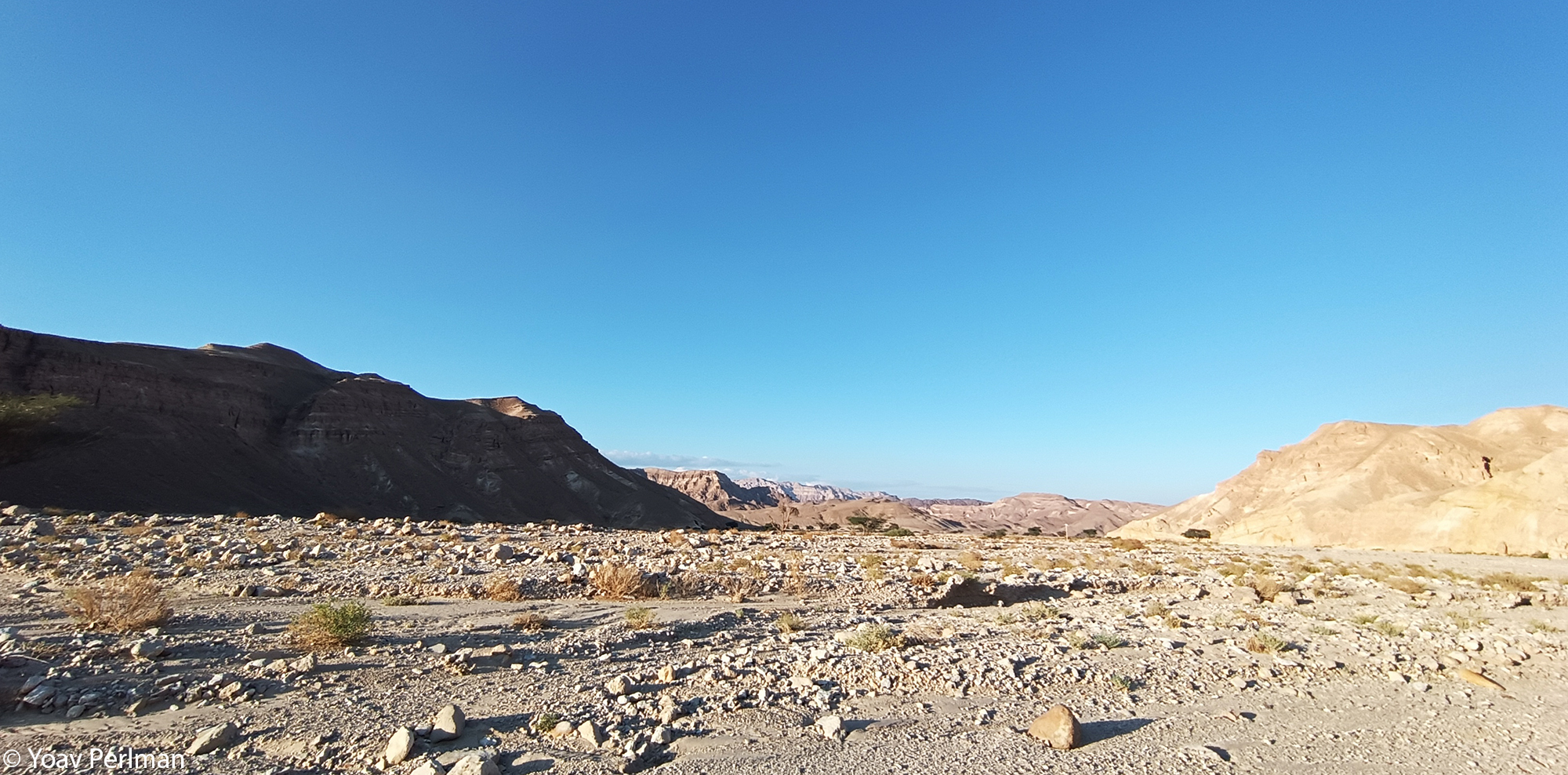
All expected desert species were seen, including four Sinai Rosefinches. They were a bit distant for photography but were seen very well and were very vocal. In this region, the geology and geomorphology are perhaps as impressive as the birds.


Rain that fell there last week (very rare) melted the sand stone and created beautiful patterns.


Then, after I finished what I had to do with the course, I headed north via Nahal Etek, where the Verreaux's Eagle are being seen. I spent a few hours there with Amir, Meidad, Arad, Barak and a few others, scanning and scanning. The scenery there is so serene and beautiful. And there's no phone signal. Bliss. If only the eagles showed up... But they didn't. There was a trickle of Steppe Eagles passing through, a Common Raven and that's all.


Huge appreciation to Noam and the Eilat Birding Center team for the successful operation of the course, with the fantastic support by Alen, Amir and the rest of the team.

Sunday, November 27, 2022

Kfar Ruppin

Today was one of those incredible mornings, with the best experience Kfar Ruppin could offer. I started early at the fishponds, had just under two hours to bird. The fishponds were packed with birds; the numbers, diversity and quality were almost overwhelming. There were so many birds (eBird checklist here). There's this one large reservoir, half-empty, that held a fantastic selection of birds, including finding seven Ruddy Shelducks and three Siberian Buff-bellied Pipits (eBird is great but their name, American Pipit (japonicus) sucks), Isabelline Shrike, several Caspian Stonechats.


The ruddies (ducks? geese?) were spooked by an explosion nearby and headed off strongly, to the disappointment of some local birders who were keen to see them. I hope they landed nearby. They provided nice flight views, not the greatest flight shot but gives a taste of the surroundings - alfalfa field with overhanging Black Kites, date plantations.


Reed Bunting is pretty scarce and shy in Israel, so it was nice to get this relatively showy bird, albeit sat on a wire:


Later on at Amud Reservoir, our restoration pilot project, things are looking very good - the reservoir is full of birds (eBird checklist here) and the habitat is great. Photo from this morning by Jay Shofet:


While we were talking about the project to our guests, this monster Bonelli's Eagle flew towards us. I ran to the car to grab my camera and got a nice flyby sequence.


Tuesday, November 1, 2022

Coastal birding

Yesterday morning I left home early, with some expectations for decent 'weather' and migration. I arrived at Arsuf (just north of Tel Aviv) at dawn, to discover clear skies and no wind. Disappointing. Still, there was some movement of pipits and wagtails first thing as I stepped out of the car. I started walking through tall grass and an Oriental Skylark flew up buzzing. Nice. I birded the coastal scrub habitat for a couple of hours. 

Despite active migration being rather slow, there were still some nice birds to see. Best was a young (Daurian) Isabelline Shrike. It was very mobile - must have just arrived, so my photos are from quite a distance. Not a huge rarity but always fun to find one.


Missed an opportunity for Photo of the Year, with the shrike, Palestine Sunbird and Painted Lady; sadly the shrike turned its head away and the distance was too long:


Several Siberian Stonechats were seen among the large numbers of European Stonechats. The males were Caspian; regarding the female - hard to tell in the field.


Missed money shot

Like everywhere in and around Tel Aviv, there were so many invasive species around, dominating the avifauna there. Also large numbers of crows. This Hooded Crow had caught a young Greek Tortoise.


eBird checklist here.

Wednesday, October 26, 2022

Raptor rewild party

I spent this morning in Kfar Ruppin, at our rewilding site, with Nadav. The morning started pretty wild with a violent thunderstorm that went through, quite quickly. It remained overcast most morning, making birding quite pleasant. This is a photo of our wetland from spring - we spent some time overlooking the wetland from the hill at 10 O'clock of the image with the white structure.

There were many waterbirds in the wetland, but the main attraction was raptors. The big raptor migration is over, but there was still lots going on. A fresh northerly was blowing, and many raptors took advantage of the updrift to hover and, seemingly, play around with the wind. Honestly, it felt that some birds were really enjoying it. There were Booted and Short-toed Eagles, Long-legged, Common and Steppe Buzzards, Marsh and Pallid Harriers, a young Peregrine, Osprey, Sparrowhawks, lots of Black Storks going through - very good fun. I recently bought myself a new camera Canon R7. This was the first time I could test it properly in the field. I have lots of learning to do, but I am already impressed by the focus tracking and by the image quality.

Steppe Buzzard 1cy


Booted Eagle


Peregrine

Attacking a passing Short-toed Eagle

Marsh Harrier - camera coped well tracking it against a cluttered background

Same with this Osprey

eBird checklist for Amud Reservoir here.

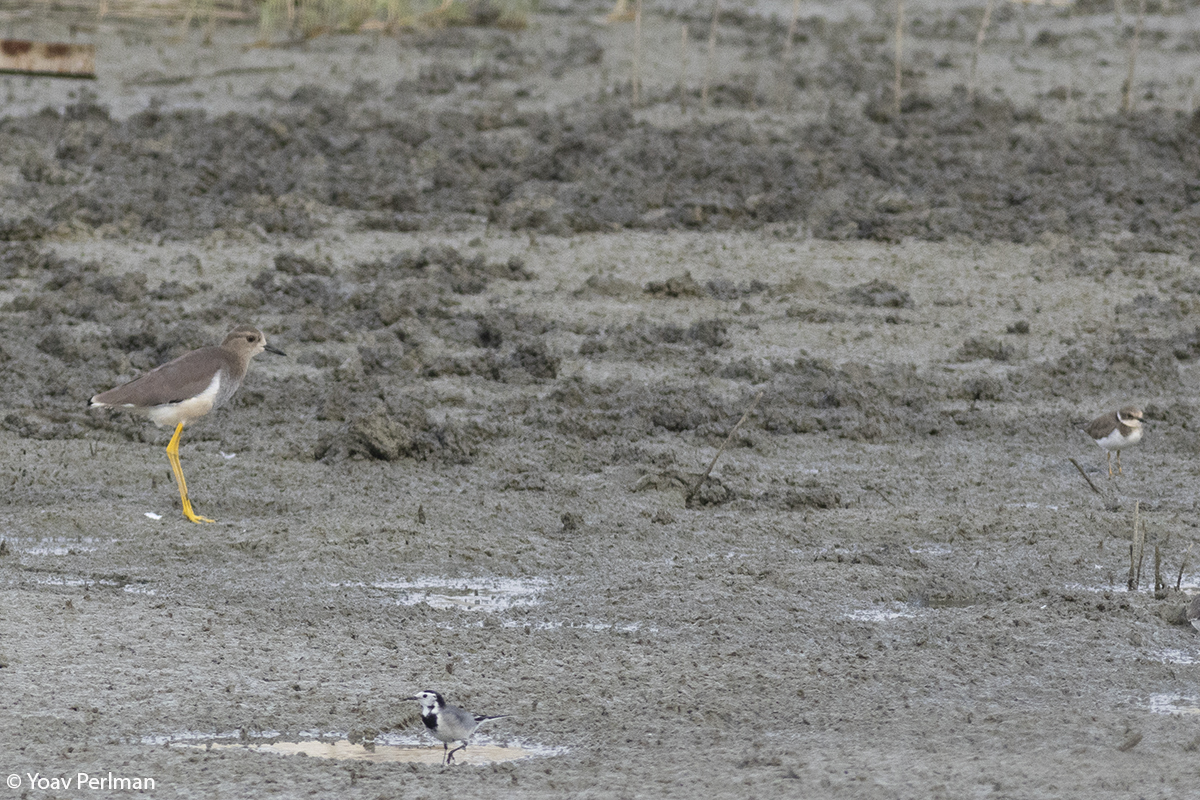
On the way out had a quick look around the remaining fishponds (eBird checklist here), and said hello to the remaining White-tailed Lapwing (here with friends - Little Ringed-Plover and White Wagtail):

Sunday, October 9, 2022

October Big Day 2022

 Yesterday our team Champions of the Flyway, representing BirdLife Israel/Society for the protection of Nature in Israel, participated in Global Big Day, organised by eBird, part of Global Birding weekend and World Migratory Bird Day events. As in previous years, we headed north, where things happen in October. The weather forecasted was cool and even wet, a welcome change after all previous year's October Big Days coincided with horrible heat waves. Our core team members, Re'a, Jonathan and me, were joined by Piki, who celebrated his birthday. 

We left central Israel very early to arrive at the entrance to Hula NR. It's our traditional spot for Tawny Owl, and indeed they didn't disappoint. Then we had about an hour of dark pre dawn for night stuff in Agamon Hula. We added Barn Owl and a few other night birds, but most exotic were Jungle Cats - we saw several, this fat (pregnant?) female posed nicely:


At dawn we positioned ourselves at Mahanayim lookout, at the southern end of the Agamon Lake. The first light experience there was epic - so many birds to look at and to listen to! Tens of Black-winged Kites flew out of a roost; 160 flamingos - the largest number I have ever seen there. Hundreds of Avocets, pelicans, ducks, shorebirds, the reeds bustling with life (Penduline Tits, Moustached Warbler), pipits and wagtails flying around - it was buzzing all over with life.


We checked the fields south of there, where we saw at a distance good falcon activity. Indeed, there was a beautiful concentration of Red-footed Falcons and Lesser Kestrels - so wonderful in the early morning light. For me this was one of the most memorable experiences of the whole day. 

Lesser Kestrels

Note this is a 2cy male (hatched 2021) - check the juvenile-patterned tertials:


The rest of the drive in the Agamon was excellent, many species, tons of migrants, really fun.

Where's Piki?

Short-toed Eagle bombarded by a Black-winged Kite

After the Agamon (eBird checklist here) we continued to Lahavot Habashan fishponds. They're mostly dry, the one still holding water is packed with birds. Marbled Ducks concentrate there every autumn. Yesterday, 440 were in that pond. and many other birds (eBird checklist here). Impressive. 


We left the Hula Valley satisfied with 109 species. Contra to previous years, we decided to give Mt. Hermon a miss this time, because it's a too long drive for too few species. Alternatively, we headed up to Biriya, enjoying the early date of October Big Day this year to connect with good raptor migration. We didn't have massive raptor migration when we were there, yet we found most species we wanted to see, including Lesser Spotted Eagles and Levant Sparrowhawks. This pristine juvenile Steppe Eagle was a cracker:


The vista from the top of the ridge, looking north towards Lebanon and the Hula Valley, is stunning. The forest added some nice species too. eBird checklist here.


By then my car was already properly camouflaged.


Next stop was Susita, overlooking Lake Kinneret. It was hot there, maybe not like in previous years, still hiot enough to reduce bird activity. Also a recent fire there didn't help. Still we added there most signature species, and a couple of wild cards (Eurasian Griffon and Finsch's Wheatear). Sadly no long-billed Pipit.

Then we continued to Bet Shean Valley. Kfar Ruppin fishponds were very good, adding some most-wanted shorebirds and passerines, including Dead Sea Sparrow. eBird checklist here. We walked two alfalfa fields, that were probably the least cost-effective walks of the day. No Oriental Skylark, two Richard's Pipits, Calandra/Bimac that got away unidentified.

Award-winning photo of the two Richard's Pipits

A Black Kite or two

We think this is a hybrid Lesser Spotted Eagle X Greater Spotted Eagle. In the field it felt very large and heavy, and has a single comma on the underwing, pro GSE. However, short 7th finger, pale neck patch, and underwing coverts paler than remiges are pro LSE. Light barring on primaries and secondaries is intermediate. 


Our final stop of the day was the beautiful Harod Reservoir, nestled under Mt. gilboa. The reservoir held a large gull flock and many other birds (eBird checklist here). The gull flock contained mainly Black-headed and Armenian, with single Slender-billed and Yellow-legged (pretty good for the region) adding flavour. 


That was the end of our day. It was excellent - our list stands at 150 species. See our eBird Trip Report here. Of course we missed a few species - the most annoying was Hoopoe. That's the wat it goes on big days. But altogether I am pleased with this total. It was a good effort and excellent result!

Huge thanks to my team mates, Jonathan, Re'a and Piki. As always, it was such a blast to spend it with you guys. So much fun and laughter, to keep me from falling asleep on the wheel. Thanks also to Swarovski Optik for providing me with the best birding optics. 


See you again in May Big day, amigos!