I won't write about the war
I can't write about the war
I can write about birds and wildlife
After we were done with the wonderful Arabuko-Sokoke forest (see previous post), our Rockjumper tour headed on October 9th towards Tsavo East National Park. First stop, on the northern side of Arabuko Sokoke forest reserve was at Jilore, a known site for the range-restricted (in Kenya) Zanzibar Red Bishop. It was a short stop, because we had a long day of driving ahead of us, yet it was a very enjoyable one. It was our first group birding session with common Kenyan farmland birds. We did find a large flock of the bishops, but they didn't pose very well for photos. It was also our first encounter with Northern Carmine Bee-eaters, hawking for flying insects from overhanging powerlines.
Zanzibar Red Bishop
The drive along road C-103 heading to Sala Gate was actually really good. There were lots of great birds by and on the road. We made slow progress with all the eBirding...
There were lots of fun birds to stop and watch, including entertaining White Helmetshrike, Chestnut-bellied Sandgrouse, Eastern Paradise Whydah and the first stunning Golden-breasted Starlings.
White Helmetshrikes
Chestnut-bellied Sandgrouse - subtle and beautiful
Tail with a little bird attached to it (Eastern Paradise Whydah)
In Tsavo East NP past Sala Gate the terrain became very dry and it was hot. As a result bird densities were rather low. We had to cross the park from east to west to reach our accommodation in Voi. The first half of the drive provided encounters with some typical dry-country birds, including Somali Bee-eater and Bunting, Chestnut-headed Sparrow-Lark and more.
Somali Bee-eater - poor photo of a quality bird!
Kori Bustard
Buff-crested Bustard was common
Chestnut-headed Sparrow-Lark
Von der Decken's Hornbill
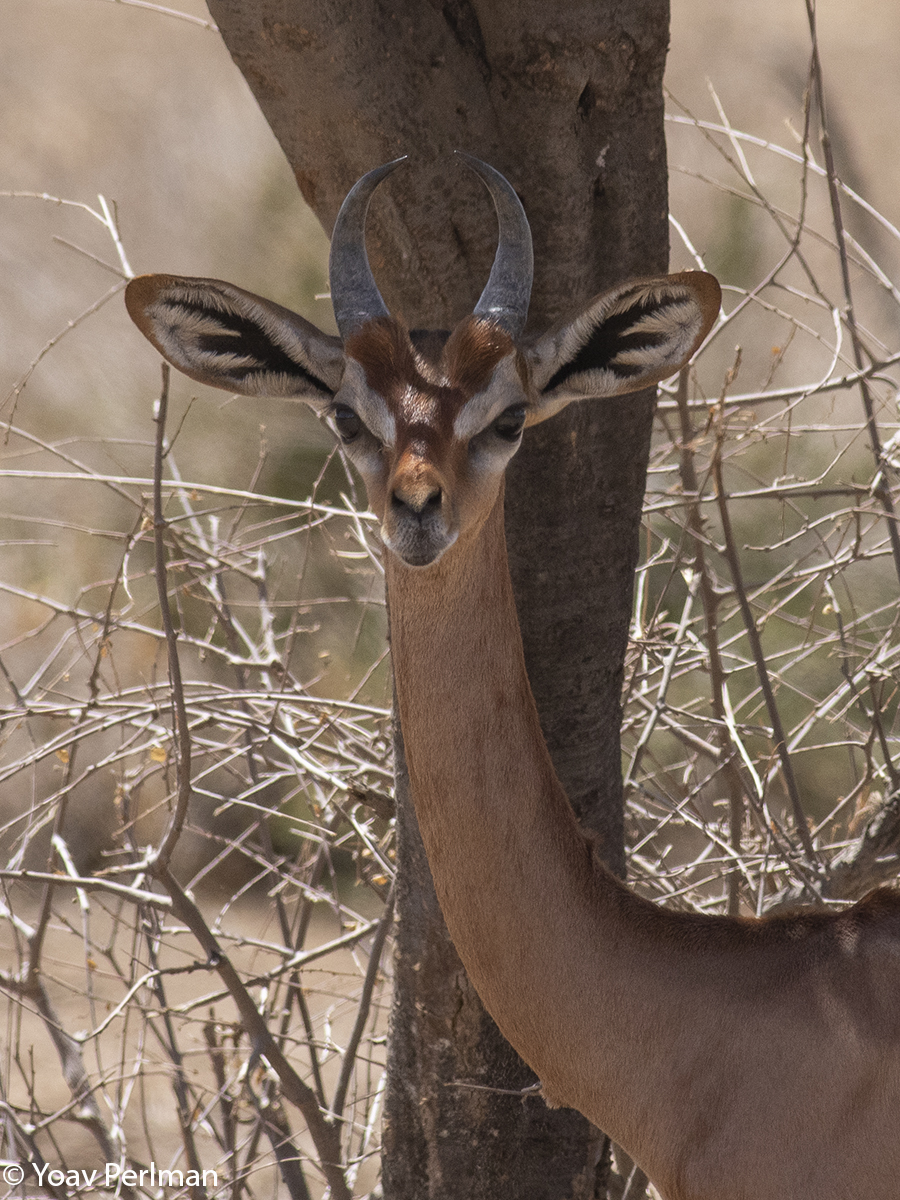
Because of the habitat aridity there were few mammals in the eastern side of the park. We did encounter our first Gerenuks, such unique antelopes, the way they stand up to reach fresh acacia leaves with their long giraffe-like necks. Also out first Fringe-eared (Beisa) Oryx and Coke's Haartbeest.
Gerenuk
Fringe-eared (Beisa) Oryx
Coke's Haartbeest
The further west we made it in the park, towards Aruba Lodge and dam, mammal and bird densities increased. Elephants, Plains Zebras, Northern (Masai) Giraffes and many antelopes were frolicking in the lush vegetation around the dam. There were more cool African birds to be seen too.
Southern Ground-Hornbill
Kittlitz's Plovers were plentiful by the dam
Working on the next gen
Yellow-throated Spurfowl - stunning and common
The next day (October 10th) was happily spent in the western section of Tsavo East and around our accommodation, Voi Safari Lodge. So many excellent birds, too many to mention. Lots of mammals too, including our first Lions, sleeping of course.
Fischer's Starling - Carrying Nesting Material
Golden-breasted Starling - wow
More Stunnery
Hence the name: Blue-naped Mousebird
Taita Fiscal
Straw-tailed Whydah
Yellow-spotted Bush Sparrow. I love Petronias.
Cut-throats in large flocks - quite unusual
Abyssinian Scimitarbill
Two of the pride of Lionesses, with their heads up!
The lodge grounds and waterhole were excellent, with large numbers of animals coming in to enjoy a good splash. This theme of wildlife lodges with cool waterholes is a great feature of African safari trips.
The lodge gardens held several sunbirds, including this stunning male Black-bellied Sunbird (such an uninspiring name for a brilliant sunbird!) that waited for us in the carpark:
Next stop - Taita Hills. Stay tuned!